Surgical Scar Colour Correction: What to Expect
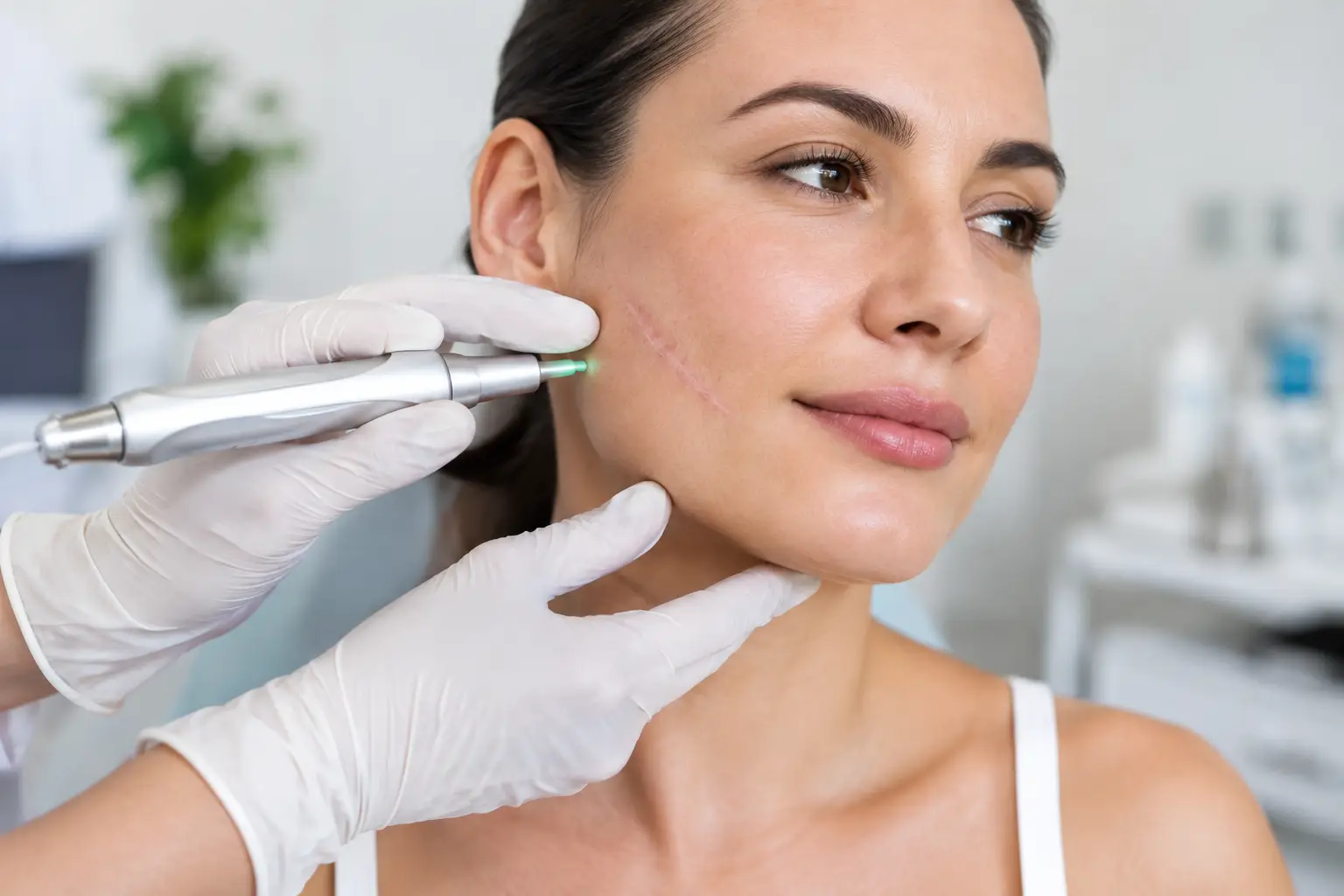
A surgical scar can be physically well healed yet still draw attention because its colour does not match the surrounding skin. Surgical scar colour correction is designed to reduce that contrast thoughtfully, helping a scar sit more naturally within your skin tone without changing who you are or making unrealistic promises about erasing it completely.
For many people, the concern is not only the scar itself. It is the way a pale line catches the eye on tanned skin, how a darker scar remains visible after an abdominal procedure, or how redness from a breast, knee, facial or caesarean scar affects confidence in clothing, photos and everyday interactions. A personalised approach can make a meaningful visual difference while respecting the skin’s healing history.
What surgical scar colour correction can address
Scar colour can change for several reasons. Newer scars may appear pink, red or purple as blood vessels remain active during healing. Some scars heal lighter than the surrounding skin because they have less natural pigment, while others become darker due to post-inflammatory hyperpigmentation. Skin tone, sun exposure, genetics, friction and the original surgical procedure can all influence the final appearance.
Colour correction uses carefully selected pigment tones to reduce the visible difference between the scar and nearby skin. In many cases, this is achieved with paramedical tattooing, also called scar camouflage tattooing. Rather than applying a single flat shade, a trained practitioner custom blends tones and places pigment gradually to create a more natural visual transition.
The goal is not to make the scar disappear under close inspection. It is to make it less noticeable at a conversational distance, in natural light and in the situations that matter to you. When the colour contrast softens, many clients feel less inclined to cover the area or plan their clothing around it.
The condition of the scar matters first
A scar needs to be stable before pigment is considered. In general, surgical scars should be fully closed, settled and no longer actively changing in colour or texture. This often means waiting at least 12 months after surgery, although healing timelines vary considerably. A scar following a complex operation, infection, radiation therapy or delayed wound healing may need longer.
Colour correction is best suited to scars that are flat or reasonably soft, with stable pigment and no ongoing inflammation. Raised, thickened, tethered or pitted scars may first benefit from treatments focused on texture and collagen support. Inkless scar revision, LED light therapy or cold plasma therapy may be considered as part of a broader plan, depending on suitability.
This sequencing matters. Placing pigment into scar tissue before the skin is ready can lead to unpredictable retention, unnecessary sensitivity or an uneven result. A careful assessment is not a delay tactic. It is how treatment remains safe, precise and aligned with the way your skin is healing.
When pigment camouflage may not be the right first step
Some scars require medical review before any aesthetic correction. This includes scars that are painful, itchy, rapidly changing, repeatedly breaking down, infected or suspicious in appearance. People with a history of keloid scarring, active skin conditions, uncontrolled diabetes, immune compromise or certain medications also need individual assessment.
Camouflage may be postponed if the scar is still red, if you are pregnant or breastfeeding, or if you are planning further surgery in the same area. It may also be unsuitable where there is active vitiligo or unstable pigment loss, as surrounding skin colour can continue to change. A responsible practitioner will discuss these considerations openly rather than treating every scar in the same way.
How a personalised colour-matching process works
Successful scar camouflage starts well before the first treatment session. Your practitioner assesses the scar’s age, depth, width, texture, sensitivity and healing history, alongside the natural undertones of your skin. They will also consider how the area changes across seasons. Skin that is sun-exposed in summer may look very different from skin in winter.
Pigment selection is a technical process. The visible surface shade is only part of the picture. Warm, cool, olive, golden, pink and neutral undertones influence whether a colour blend settles naturally once healed. Medical-grade pigments are selected and adjusted conservatively, because healed pigment can look softer and slightly different from its appearance on the day of treatment.
A small test area may be recommended, particularly for sensitive skin, darker skin tones, complex scars or clients with a history of unusual healing. This allows the skin’s response and pigment retention to be observed before committing to a larger area. It also helps set realistic expectations about the number of sessions required.
During treatment, pigment is placed gently in controlled layers. Scar tissue does not behave exactly like unaffected skin. Some areas retain pigment readily, while others resist it or heal patchily. For this reason, gradual building is usually preferable to trying to achieve a perfect match in one appointment.
What results can realistically look like
The most natural results tend to be subtle. A well-matched correction can make a white, pale or unevenly toned scar blend more closely with nearby skin, reducing the sharp line that catches your eye. It may also improve confidence when wearing swimwear, sleeveless clothing, work uniforms or garments that reveal the treated area.
However, colour correction cannot remove scar texture, restore sensation or recreate skin exactly. A scar may still be visible under direct light, very close examination or when the skin stretches. If the scar is indented, raised or wide, colour camouflage can improve contrast but may not address the structural feature that creates shadowing.
Results also depend on your natural skin tone and lifestyle. Frequent sun exposure can darken the surrounding skin while the treated scar remains comparatively stable, changing the match over time. Regular use of sun protection is one of the simplest ways to preserve colour harmony. Some clients choose a future refresh session as their skin, tanning habits or scar appearance changes.
Healing, aftercare and session planning
Immediately after treatment, the area may look stronger, warmer or slightly darker than expected. This is normal. As the skin heals, the pigment settles and the final colour becomes easier to assess. Mild tenderness, dryness or flaking can occur, particularly on areas exposed to movement or clothing friction.
Aftercare should be structured around protecting the treated skin. Your practitioner will generally ask you to keep the area clean, avoid picking or exfoliating, and pause swimming, saunas, intense exercise and direct sun exposure during the initial healing period. Fragranced products, active skincare ingredients and heavy friction should also be avoided unless specifically approved.
Most surgical scar colour correction plans involve more than one session. The first session establishes the direction of the match, while follow-up sessions refine density and tone after the skin has fully healed. Spacing appointments appropriately gives the practitioner useful information about pigment retention and protects the integrity of the scar tissue.
Choosing a specialist for scar correction
Scar camouflage is not simply cosmetic tattooing performed over an old mark. It requires an understanding of scar behaviour, pigment theory, sterile practice, skin sensitivity and conservative technique. The right practitioner will ask detailed questions about your surgery and healing, explain limitations clearly and never pressure you into treatment before the area is ready.
At Scarless Artistry in West Pennant Hills, treatment planning is consultation-led and based on your individual scar, skin tone and long-term goals. A virtual assessment or in-clinic consultation can help determine whether pigment camouflage, texture-focused revision or a staged combination approach offers the most appropriate path.
Your scar tells a story of healing. Colour correction can help it take up less visual space, so your attention can return to the life you want to live rather than the mark you feel compelled to hide.