Sensitive Skin Scar Treatment Options Explained
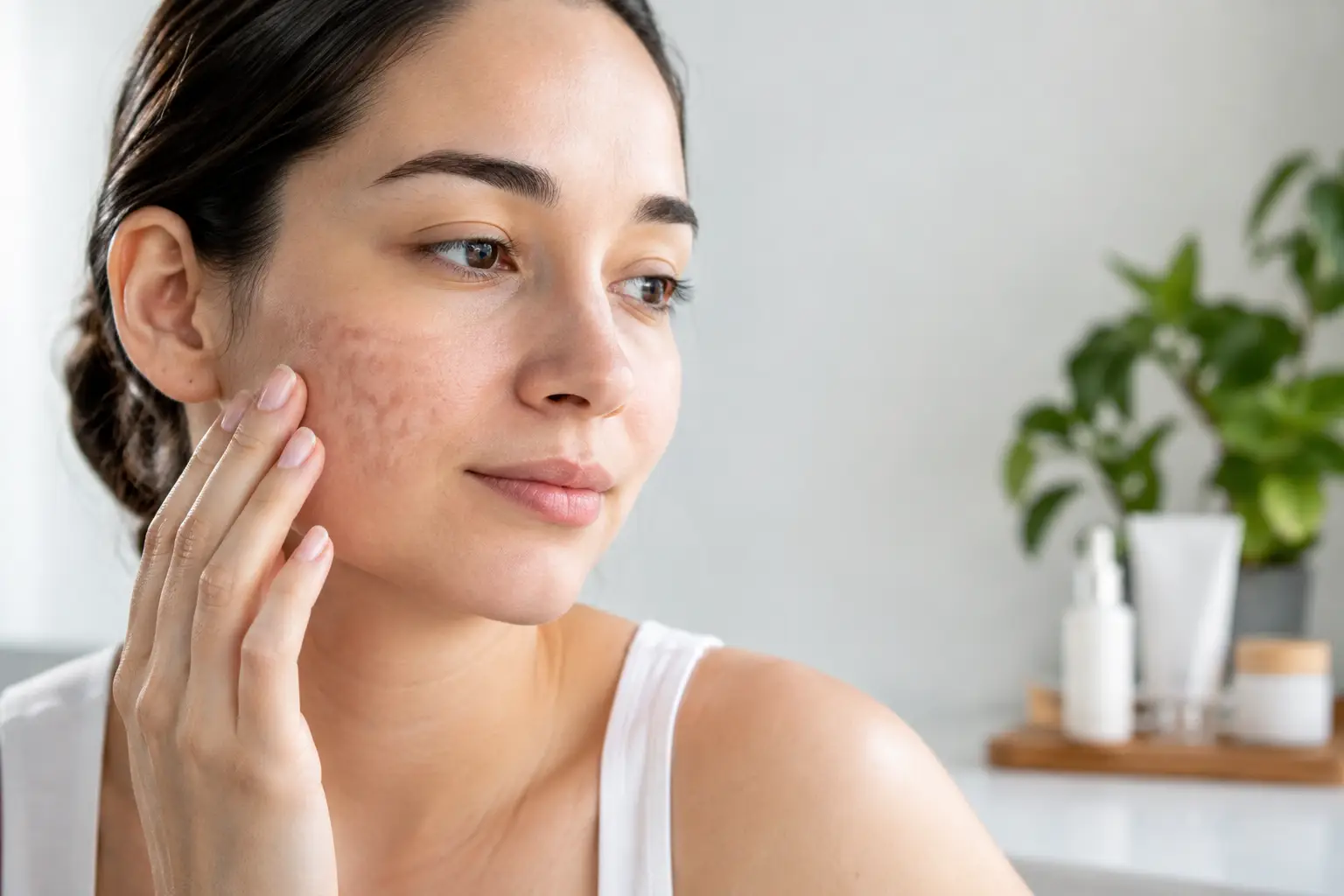
A scar may be fully healed yet still feel unpredictable. It can tighten after a warm shower, flush with certain products, itch when the weather changes or react strongly to treatments that seem fine on the surrounding skin. Sensitive skin scar treatment options should therefore begin with assessment, not a standard treatment menu. The aim is not to rush the skin, but to improve texture, soften visible contrast and support a result that still looks like you.
For many people, the concern is more than cosmetic. A surgical line, injury scar, burn mark, acne scar or stretch mark can draw attention in clothing, photos and everyday conversations. Gentle, carefully staged skin correction can make a meaningful difference, particularly when the plan respects your skin’s healing history and current sensitivity.
Why sensitive scars need a different approach
Scar tissue is not the same as unaffected skin. Its collagen structure, blood supply, nerve response and pigment behaviour can all be altered. Some scars are raised, firm and reactive. Others are indented, pale, darker than the surrounding skin or prone to dryness. Even a scar that appears settled may have a lower tolerance for friction, active skincare ingredients or repeated trauma.
Sensitive skin adds another layer of consideration. Rosacea-prone skin, eczema tendencies, contact allergies, post-inflammatory pigmentation and a history of slow healing can affect which techniques are appropriate and how far apart sessions should be. This does not automatically rule out treatment. It means the protocol needs to be conservative, responsive and built around your individual skin rather than a fixed timeline.
A proper consultation should consider the scar’s age, location, depth, mobility and colour, along with previous treatments and how your skin has healed after procedures or tattoos. Your practitioner should also ask about medications, autoimmune conditions, keloid history, active irritation and sun exposure. These details guide safer choices and more realistic expectations.
Sensitive skin scar treatment options to consider
The best option depends on whether texture, colour difference, discomfort or a combination of concerns is most visible. Often, a staged plan provides a more natural outcome than trying to address every concern in one appointment.
Inkless scar revision for texture support
Inkless scar revision uses controlled needling techniques and topical healing support to encourage the skin’s natural collagen response. It may be suitable for certain flat, indented or uneven scars and for stretch marks where improving texture is the primary goal. Rather than adding pigment, the focus is on helping the treated area become smoother and blend more naturally with the surrounding skin over time.
For sensitive skin, the depth, speed and number of passes matter. A gentle, measured approach helps reduce unnecessary inflammation. Results develop gradually because collagen remodelling takes time. Most clients need more than one session, with adequate healing between appointments, and outcomes vary according to scar maturity and biology.
This treatment is not appropriate for every scar. Raised scars, unstable scars, active skin conditions and scars with a tendency towards keloid formation need particular caution. Assessment is essential before proceeding.
Scar camouflage tattooing for colour uniformity
Scar camouflage tattooing is a paramedical technique designed to reduce the visible colour contrast between a stable scar and the surrounding skin. Medical-grade pigments are custom mixed to complement your natural skin tone, then placed with precision to create a softer visual transition. It can be particularly helpful for pale or depigmented scars that have healed flat and have little remaining redness.
Camouflage does not remove a scar or correct significant texture. If a scar is raised, indented, tight or highly reactive, texture work or other clinical care may be more suitable before pigment is considered. This distinction matters because placing pigment into unsuitable scar tissue can lead to unpredictable healing or colour retention.
Sensitive skin requires a careful patch test where appropriate, gentle technique and clear aftercare. Pigment may heal differently in scar tissue than it does in healthy skin, and it can take more than one session to refine the match. Colour also changes as the skin heals, which is why conservative layering is generally preferable to trying to achieve full coverage immediately.
LED light therapy as supportive care
LED light therapy may be used as a non-invasive supportive option within a broader scar-care plan. Depending on the protocol, it can help support calm-looking skin and a more comfortable healing environment. It is often valued by clients who want a gentle adjunct before or after selected skin correction treatments.
However, LED is not a stand-alone solution for every scar type. It will not replace texture revision where an indented scar needs targeted stimulation, nor will it restore pigment to a pale scar. Its value is in supporting the skin’s condition and helping a personalised plan remain gentle and well paced.
Cold plasma for selected skin concerns
Cold plasma therapy is another option that may be considered for appropriate skin concerns under a tailored protocol. It is used in advanced skin correction settings to support skin renewal and address surface-level irregularities. Suitability depends on the scar, skin tone, sensitivity, healing capacity and the specific device and settings used.
Because sensitive skin can react differently, this is not a treatment to choose based on before-and-after photos alone. A practitioner should explain the intended benefit, expected downtime, potential risks and alternatives before treatment. Your skin’s response after the first session provides useful information for planning subsequent care.
What a safe treatment plan should include
The most reassuring treatment plan is one that leaves room to adjust. Skin does not always follow a neat schedule, especially after trauma, surgery or prolonged inflammation. A responsible practitioner will build in review points rather than assuming every client needs the same number of sessions.
Before treatment, the skin should be free from active infection, open wounds, sunburn and significant irritation. Some clients may need to simplify their skincare routine temporarily, avoiding exfoliants, retinoids and fragranced products around the area as advised. If you have a diagnosed skin condition or are under medical care, clinical clearance may be appropriate.
Aftercare is equally important. Keep the area clean, avoid picking or friction, protect it from sun exposure and follow the specific instructions provided for your treatment. Heat, swimming, intensive exercise and cosmetic products may need to be avoided for a short period, depending on the procedure. These small decisions can influence healing, pigment retention and the final appearance.
Questions worth asking at your consultation
A consultation should feel informative, not pressured. Ask whether your scar is mature enough for treatment, whether a patch test is recommended, what improvement is realistic and how your skin type affects the approach. It is also reasonable to ask about downtime, possible adverse reactions, the expected number of sessions and what happens if your skin heals differently than anticipated.
Be cautious of anyone who promises scar removal, guarantees an exact pigment match or recommends an aggressive treatment without examining the area. Natural-looking scar correction is highly individual. The best outcomes usually come from patience, skilled assessment and incremental improvement rather than a dramatic overnight change.
Choosing specialist care in Sydney
For clients in West Pennant Hills, Carlingford, Castle Hill, Cherrybrook, Epping, Beecroft and North Rocks, access to a specialist who understands both pigment behaviour and scar tissue can make the process feel far less daunting. Scarless Artistry approaches scar correction through personalised planning, gentle techniques, sterile processes and structured aftercare, with attention to both skin safety and natural colour harmony.
A virtual assessment or in-person consultation can help determine whether your scar is better suited to texture revision, camouflage tattooing, supportive LED therapy or a combination planned over time. It can also identify when waiting, medical review or another approach is the safer choice.
Your scar tells a story, but it does not have to dominate the way you see yourself. With thoughtful treatment selection and care that respects sensitive skin, it is possible to pursue softer texture, more even colour and renewed confidence at a pace your skin can manage.