Scar Revision Healing Timeline: What to Expect
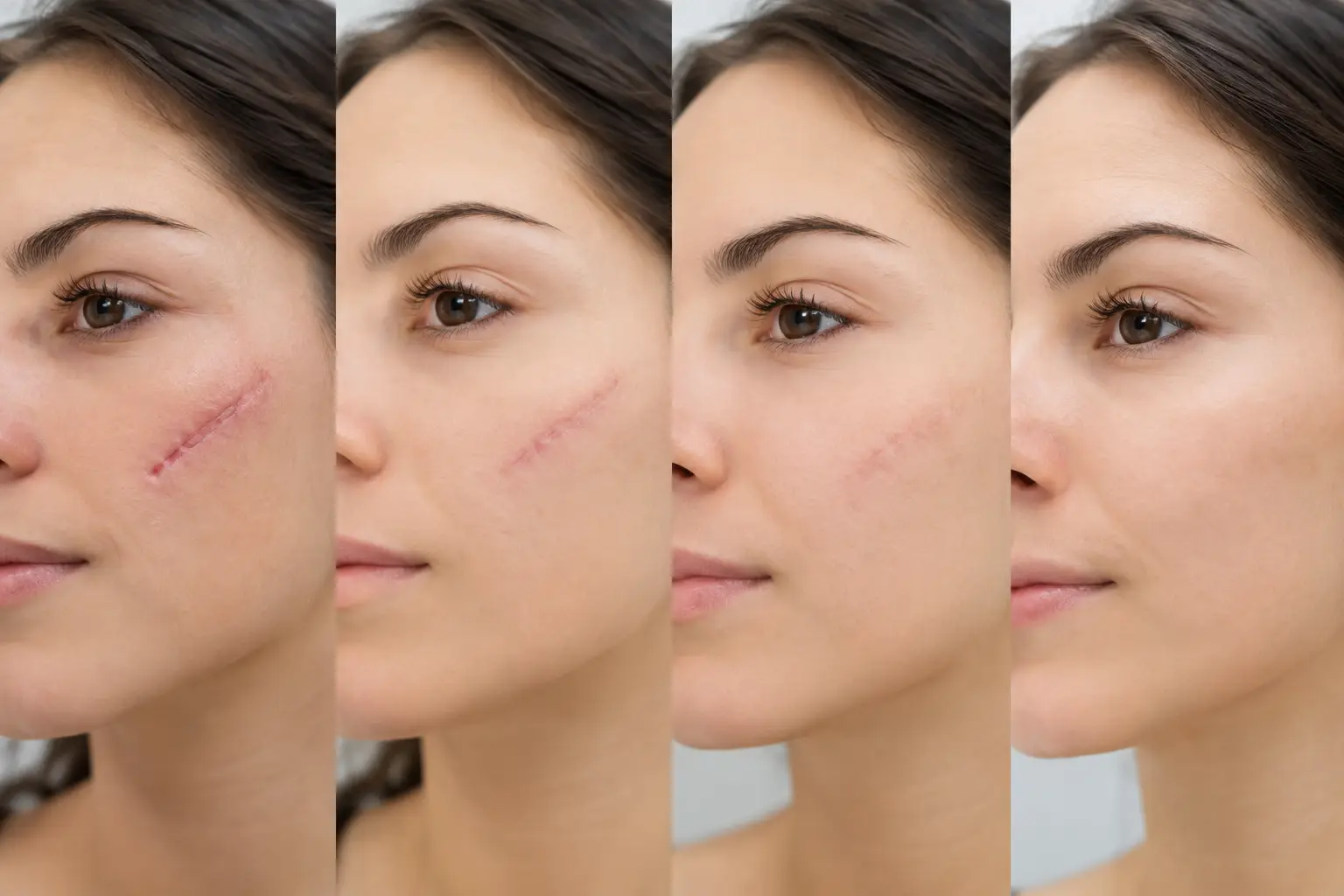
A scar can feel like it has already asked a great deal of you. The thought of treating it again can bring understandable questions: Will it look worse before it improves? How long will redness last? When can I return to normal life? A realistic scar revision healing timeline helps replace uncertainty with a clear plan – and protects you from judging the result too early.
Healing is not a single event. Whether you are having a surgical scar revised, addressing texture with inkless scar revision, or improving colour contrast with paramedical camouflage tattooing, the skin moves through several stages. The visible change in the first week is rarely the final outcome. For many people, the most meaningful refinement happens gradually over months.
Why every scar revision healing timeline differs
Scar revision is not one treatment. A mature, flat surgical scar that needs pigment blending will heal differently from a raised scar receiving texture-focused treatment. An acne scar may need a different approach again. Your timeline is shaped by the scar’s age, depth, location, blood supply, previous healing history, skin sensitivity and the technique used.
Areas exposed to frequent movement, such as the chest, shoulders, knees and abdomen, can take longer to settle because the skin is under regular tension. Skin that has been affected by burns, repeated surgery, radiation, infection or chronic inflammation may also need a more cautious plan. Darker or more reactive skin tones can be more prone to post-inflammatory pigment changes, which is one reason treatment settings, pigment selection and aftercare should be individualised.
It also matters whether the goal is texture, colour, comfort or all three. Regenerative treatments may support collagen activity and soften the appearance of scar tissue over time. Camouflage tattooing is designed to reduce visible contrast by carefully matching the surrounding skin tone. Neither approach should be rushed simply to meet a date in the diary.
The scar revision healing timeline, stage by stage
The first 24 to 72 hours: protect the skin barrier
Immediately after treatment, the area may appear pink or red, mildly swollen, warm or tender. With paramedical tattooing, the implanted colour can look stronger, darker or warmer than expected at first. This is normal during the early healing phase and does not indicate the healed colour.
The priority is keeping the area clean, dry as directed and free from friction. Avoid touching it unnecessarily, tight clothing, strenuous exercise, swimming, saunas and direct sun exposure. Your practitioner will provide specific aftercare based on the procedure and treatment site. Following it closely is one of the most practical ways to support predictable healing.
If you have had surgical scar revision, your surgeon’s wound-care instructions take priority. Dressings, suture care and activity restrictions will be specific to your procedure.
Days 4 to 14: flaking, dryness and temporary unevenness
As the surface begins to repair, the treated skin may feel dry, tight or itchy. Light flaking or fine scabbing can occur after pigment-based treatments. It can be tempting to pick at loose skin or apply products not recommended for the area, particularly when a scar is visible. Resist that urge. Picking can disturb healing skin, affect pigment retention and increase irritation.
This is also the period when the colour of a camouflage tattoo can seem to fade suddenly or look patchy. The skin is rebuilding its outer barrier, and the true tone is not yet visible. In many cases, healed pigment appears softer after the initial surface layer settles.
For texture correction, the scar may look temporarily more noticeable due to short-term redness. That does not mean the treatment has failed. It means the skin is responding and requires time.
Weeks 2 to 6: early settling
By this point, most superficial healing should be well underway, although the area may still be pink, sensitive or slightly dry. People often feel more comfortable returning to regular daily activities, provided they have been cleared to do so and the skin has closed appropriately.
Pigment begins to settle into a more natural-looking shade during these weeks. A planned touch-up should not be booked too quickly, as early assessment can be misleading. Waiting allows the practitioner to see where pigment has retained, whether the undertone is accurate and whether the scar tissue needs further preparation before another session.
With collagen-supporting scar treatments, this is a transition period rather than the finish line. The skin’s repair processes continue beneath the surface, so changes in firmness, texture and edge blending can be gradual.
Six weeks to three months: clearer progress
At around six to 12 weeks, the treated area usually provides a more reliable indication of its direction. Redness should be reducing, the skin barrier should be more resilient and pigment should appear closer to its healed result. This is commonly the appropriate window to reassess and, if needed, plan the next session.
Some scars require several treatments to create a natural result. That is not a sign that something has gone wrong. Scar tissue can be uneven in density and absorb pigment differently from surrounding skin. Layering treatment carefully is often safer and more convincing than trying to achieve full correction in one appointment.
For clients treating stretch marks or depressed scars, improvements may be subtle at first: softer edges, less obvious contrast and a smoother light reflection across the skin. These refinements can make a significant difference in how visible the area feels in everyday settings.
Three to 12 months: remodelling and long-term refinement
Scar tissue remodels slowly. In surgical scars especially, redness and firmness may continue to improve for 12 months or longer. A scar that seems raised, tight or highly coloured at three months can still soften substantially with time and appropriate medical guidance.
The long-term result of paramedical camouflage is influenced by skin turnover, sun exposure, scar stability and the way your individual skin holds pigment. Periodic colour refreshing may be appropriate, but only once the skin is stable. Treatments should aim for believable colour integration, not a flat or overworked result.
When is a scar ready for camouflage or revision?
A stable scar is generally the safest starting point for pigment camouflage. It should be fully closed, free from active inflammation and no longer changing rapidly in colour or shape. Many scars need at least 6 to 12 months of natural healing before camouflage is considered, though the right timing varies. A newer scar may benefit more from medical review, scar management or texture-supporting care before any pigment work.
Raised, itchy, painful or rapidly changing scars need careful assessment. Keloid-prone skin, active dermatitis, infection, pregnancy-related skin changes and certain medical conditions may affect whether treatment is suitable or when it should happen. A responsible consultation is not simply about choosing a pigment. It is about determining whether the skin is ready.
Aftercare that supports a more predictable result
Good aftercare is deliberately uncomplicated. Keep the treated area protected from ultraviolet exposure, as sun can deepen redness and alter pigment in healing skin. Wear loose, clean clothing where possible and avoid products containing active ingredients, fragrance or exfoliants unless your practitioner has approved them.
Avoid soaking the area in baths, pools or the ocean during the advised early healing period. Sweat, friction and moisture can be particularly challenging for treatment areas on the torso, thighs or under clothing. If you exercise regularly, ask about timing before your appointment so your treatment can be scheduled around your routine.
Nutrition, sleep and hydration also support normal wound healing, although they cannot override medical factors or guarantee a particular result. If you smoke or vape nicotine, discuss this openly with your treating clinician, as nicotine can affect circulation and healing quality.
Signs to seek medical advice
Some redness, tenderness and dryness are expected. Increasing pain, spreading redness, significant swelling, pus, fever, a strong odour or an allergic-type reaction are not symptoms to wait out. Contact your GP, surgeon or urgent medical service promptly if these occur. If you are concerned about any unexpected change, it is always better to ask early.
At Scarless Artistry, consultations are designed to assess scar maturity, skin behaviour and the most appropriate treatment sequence before work begins. A careful plan may involve allowing more time, using supportive skin therapies first, or deciding that camouflage is not yet the right next step.
The best scar revision outcomes tend to come from patience, not pressure. Give your skin the time it needs to settle, and let each treatment decision be guided by how it is genuinely healing rather than how quickly you wish the scar would disappear.