Scar Camouflage Tattoo Aftercare That Heals Well
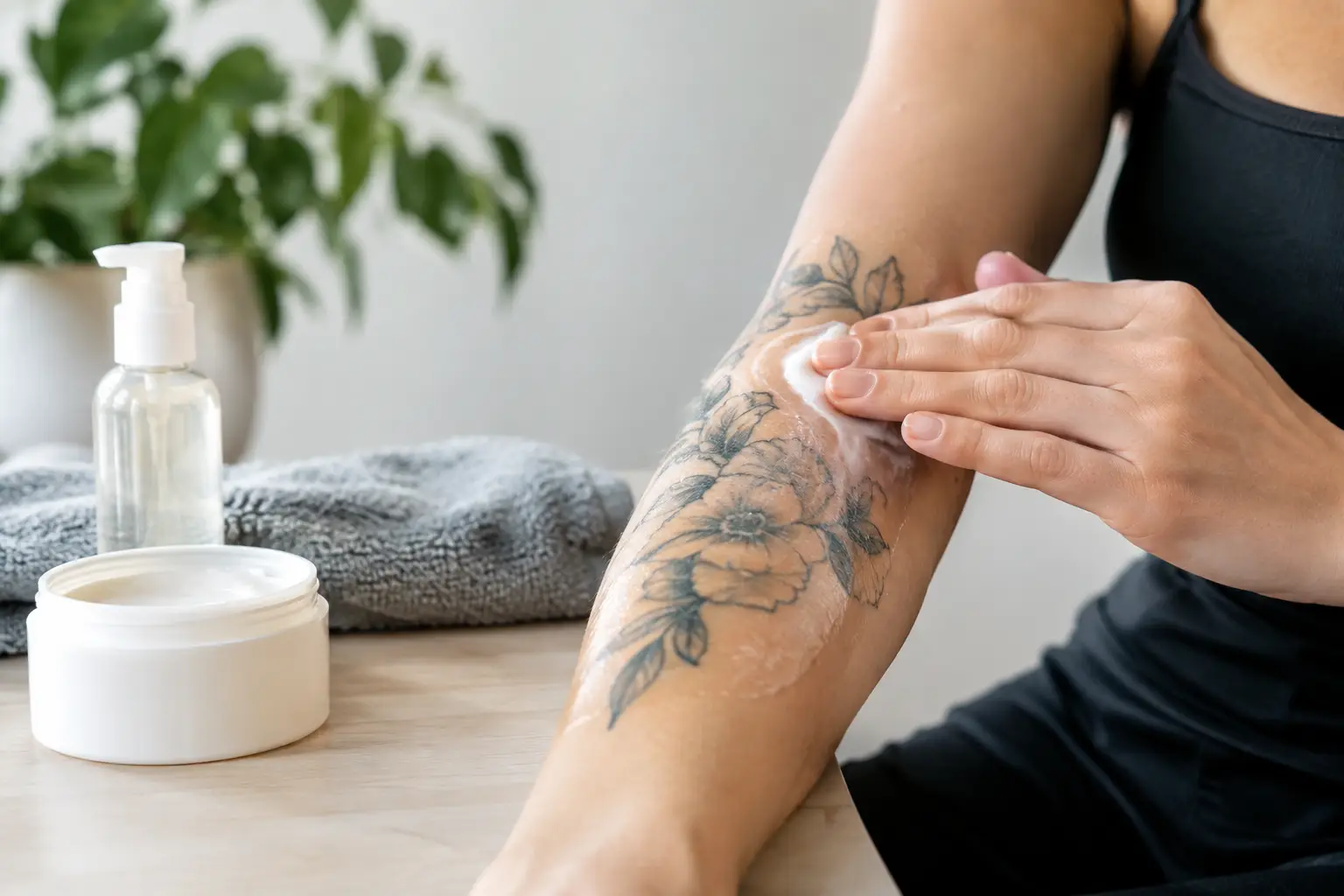
A scar camouflage tattoo can make a visible difference, but the treatment room is only the beginning. Thoughtful scar camouflage tattoo aftercare protects the skin while it recovers, supports even pigment retention and helps your result settle as naturally as possible.
Unlike tattooing on unaffected skin, scar camouflage works with tissue that may be less predictable. A surgical scar, burn mark, injury scar or stretch-mark area can have altered circulation, sensitivity and texture. It may absorb pigment differently from the surrounding skin. This is why personalised aftercare is not an optional extra. It is part of the treatment plan.
Why scar camouflage tattoo aftercare matters
During a scar camouflage procedure, carefully selected medical-grade pigment is placed into the skin to reduce the contrast between the scar and its surrounding tone. The area then needs time to close, settle and retain the colour appropriately.
In the first days, it is normal for the treated area to appear deeper, warmer or more noticeable than the intended healed shade. Mild redness, tenderness or a tight feeling can also occur. As the skin heals, the colour often softens considerably. Trying to judge the final result too early can cause unnecessary concern.
Aftercare helps reduce avoidable irritation, infection risk and uneven healing. It also limits the factors most likely to interfere with pigment retention, including friction, moisture, heat, UV exposure and picking at flaking skin. The goal is not to force the healing process. It is to give your skin a calm, clean environment in which to do its work.
Your practitioner’s written instructions should always take priority, particularly if your scar has a complex healing history, you have sensitive skin, or your treatment was combined with another skin-correction modality.
The first 48 hours: protect the treated area
For the first one to two days, treat the area as fresh, vulnerable skin. Keep it clean, dry and protected from unnecessary contact. Unless you have been given different instructions, avoid touching the area except with freshly washed hands.
You may be asked to leave a protective covering in place for a specific period, or you may be instructed to allow the area to breathe. There is no universal rule because treatment location, skin type and the condition of the scar all matter. A scar on the abdomen or thigh, for example, may be exposed to more clothing friction than one on the face.
Avoid long showers, baths, swimming, spas and saunas. Excess moisture can soften the healing surface before it is ready, while heat may increase redness and inflammation. A brief lukewarm shower is generally easier on the skin than hot water, provided the treated area is not scrubbed or held directly under a strong stream.
It is also wise to plan clothing around your appointment. Choose clean, loose and breathable fabrics where possible. Tight waistbands, bra straps, activewear and rough seams can repeatedly rub the same area, particularly when camouflage has been performed over a surgical scar on the torso.
Caring for healing skin in the first two weeks
As the area begins to heal, you may notice light dryness, fine flaking or slight itchiness. This can be a normal part of recovery. The key is to resist scratching, exfoliating or peeling away loose skin. Picking can remove pigment prematurely and may create patchiness as the area settles.
Use only the aftercare product recommended by your practitioner, and apply it exactly as directed. More product is not necessarily better. Heavy ointments or unsuitable creams can overhydrate the skin, trap heat or cause irritation. If you have a known allergy, eczema-prone skin or a history of reactions to topical products, raise this before treatment so your plan can be adjusted.
For roughly 10 to 14 days, avoid activities that leave the area sweaty, overheated or repeatedly wet. This may mean modifying gym sessions, hot yoga, ocean swimming or long days in direct sun. Gentle movement is often fine, but a fresh treatment should not be pushed through conditions that make the skin sting, rub or perspire heavily.
Make-up, self-tanner, fragranced body products and active skincare ingredients should also be kept away from the treated skin until your practitioner confirms it has healed. Products containing retinoids, exfoliating acids or strong vitamin C formulations can be particularly irritating on newly treated areas.
Sun protection is part of pigment protection
Sydney sunshine is one of the most common challenges for scar camouflage tattoo aftercare. UV exposure can darken the surrounding skin, change the contrast around a scar and affect how the camouflage colour appears over time. It can also contribute to irritation and prolonged redness during the healing phase.
While the skin is fresh, keep the area covered with loose clothing or physically shaded where practical. Do not apply sunscreen directly over skin that has not fully healed unless your practitioner specifically advises it. Once the area is healed, broad-spectrum SPF should become part of your ongoing maintenance routine, especially for scars on the chest, shoulders, arms, legs or face.
Sun protection does not guarantee that pigment will never change, because skin naturally changes with seasons, age and sun exposure. It does, however, give the colour the best chance of remaining balanced for longer.
What normal healing can look like
Healing does not always look perfectly smooth from one day to the next. A treated scar may appear temporarily darker than expected, then lighter as fine surface flaking occurs. The colour can look uneven before it settles. This is why a review is usually scheduled after adequate healing time rather than immediately.
Scar tissue can retain pigment differently across the same area. Mature, flat scars tend to be more predictable than raised, deeply textured or recently healed scars, but every skin response is individual. Many clients need more than one session to build colour gradually and safely. This is a measured approach, not a sign that the first treatment has failed.
The purpose of camouflage is generally to soften visible contrast, not to make a scar disappear completely. Texture, depth and skin movement may remain visible, particularly in changing light. When colour, texture support and realistic expectations are considered together, the result can still feel transformative.
When to contact your practitioner or doctor
Mild redness and tenderness should gradually settle. However, contact your practitioner promptly if you notice worsening pain, expanding redness, excessive swelling, heat in the area, unusual discharge, a rash, fever or any sign of an allergic reaction. If symptoms are severe or you feel unwell, seek medical advice without delay.
Do not attempt to treat a suspected infection with home remedies, essential oils or leftover medication. These can further irritate the skin and make it harder to assess what is happening. A practitioner can advise whether the response appears within normal healing parameters or whether medical review is needed.
It is also worth getting in touch if you accidentally expose the area to chlorinated water, prolonged sun or significant friction. A single mishap does not automatically compromise your result, but early guidance can prevent further irritation.
Supporting a better long-term result
After the initial healing period, care becomes less restrictive but remains relevant. Keep the scar and surrounding skin moisturised with products suited to your skin type, maintain sensible sun protection and avoid aggressive treatments directly over the camouflage without checking first. Chemical peels, laser procedures, microneedling and some active skincare products may affect the treated area or alter pigment over time.
If your scar is still firm, raised, indented or uneven in texture, pigment camouflage may be only one part of your broader plan. Some clients benefit from scar revision techniques designed to support collagen and soften the look of the tissue before, between or alongside colour correction. The right sequence depends on scar maturity, skin sensitivity and your long-term goals.
At Scarless Artistry, aftercare is tailored to the treatment area and the skin in front of us, rather than handed out as a one-size-fits-all checklist. A clear plan, realistic healing timeline and follow-up support can make the process feel far more reassuring.
Give your skin the patience it was not always given when the scar first formed. Careful healing creates the best foundation for colour that looks softer, more even and genuinely like it belongs to you.