What Inkless Scar Revision Can Improve Safely
A scar can be medically healed yet still feel unfinished. It may catch the light, sit below the surrounding skin, feel tight when you move, or remain a different texture long after the original injury or surgery. Inkless scar revision is designed for this stage of the journey: supporting the skin’s natural renewal processes to improve texture and reduce the visible contrast of scars and stretch marks, without adding camouflage pigment.
For many people, the goal is not to erase a scar or pretend it never happened. It is to help the area look softer, smoother and more at home in the surrounding skin, so it no longer commands attention every time you get dressed, look in the mirror or step into brighter light.
What is inkless scar revision?
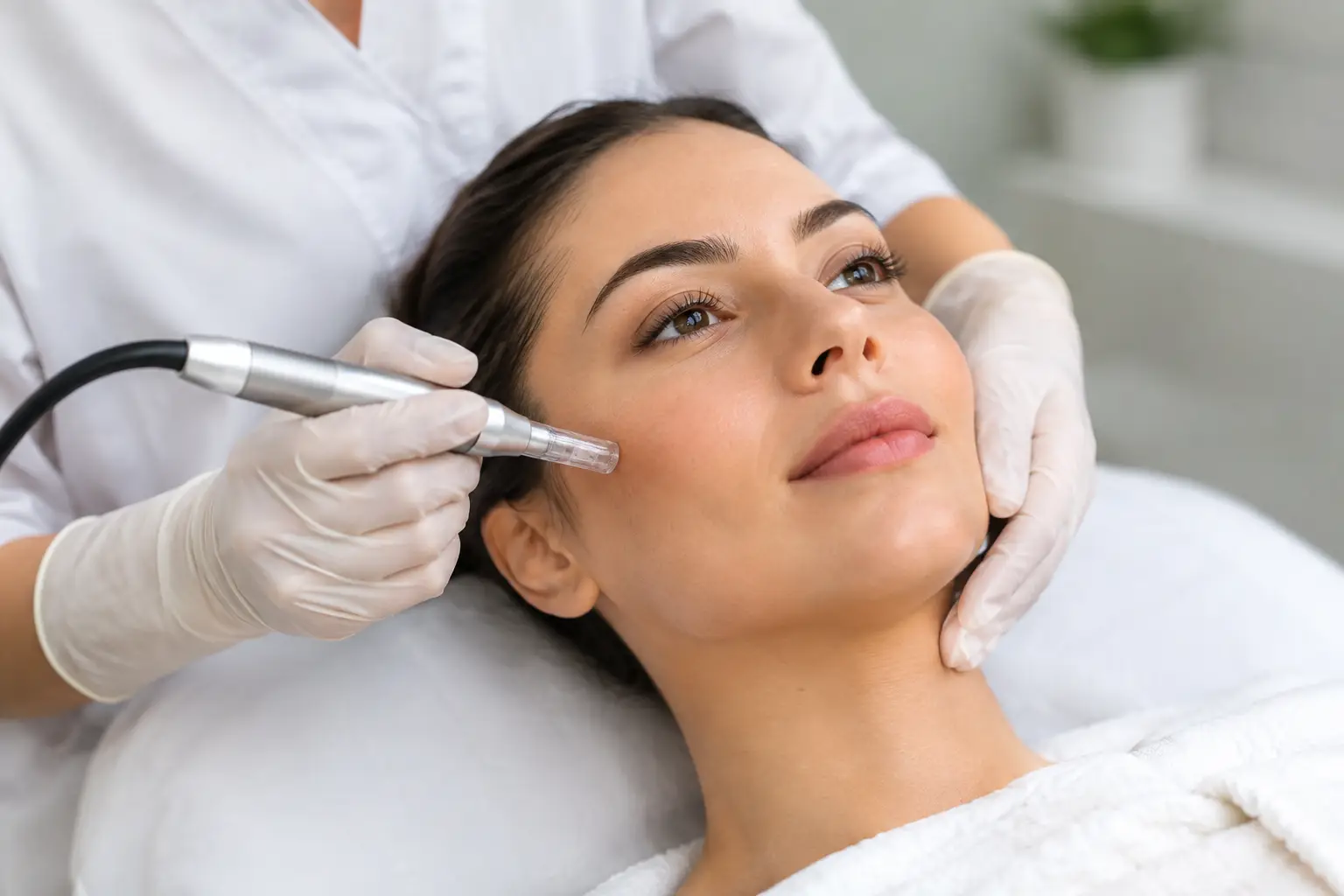
Inkless scar revision is a paramedical skin correction treatment that uses controlled needling techniques and targeted healing support rather than coloured tattoo pigment. The treatment creates carefully placed microchannels in appropriate scar tissue, encouraging the skin’s wound-healing response and collagen activity.
The word “inkless” matters. Unlike scar camouflage tattooing, the intention is not to match the scar to your skin tone with pigment. Instead, the focus is on improving the scar’s physical qualities, including uneven texture, firmness and the transition between scar tissue and healthy skin.
Depending on your skin, scar history and treatment plan, a specialist may use professional-grade topical products selected to support hydration and recovery. The technique, needle depth and treatment spacing should never be one-size-fits-all. Scar tissue behaves differently from healthy skin, and a considered approach protects both healing and long-term appearance.
Which scars may respond well to inkless scar revision?
This treatment may be suitable for mature, fully healed scars that are flat or indented, as well as some stretch marks. Clients commonly enquire about surgical scars, including C-section and tummy tuck scars, scars from injury, burn scars that have stabilised, pitted acne scarring and stretch marks following pregnancy or weight changes.
It may help soften the look of a scar that appears shiny, rigid, uneven or more noticeable because it reflects light differently to the surrounding area. With pitted acne scars, the aim is often to improve textural irregularity gradually, not to promise perfectly smooth skin. For stretch marks, treatment may support a more refined texture and reduce how sharply they stand out.
Suitability depends on more than the type of scar. Its age, depth, location, colour, healing history and whether it remains raised, inflamed or sensitive all matter. Your natural skin tone, tendency towards post-inflammatory hyperpigmentation and lifestyle factors such as sun exposure also influence the safest path forward.
When treatment may need to wait
Inkless treatment is not appropriate for every scar at every stage. Fresh scars need time to close, settle and mature before they are assessed for revision. Active acne, infection, open skin, recent sunburn, unexplained skin changes and some medical conditions may mean treatment should be postponed or medical clearance sought.
Raised scars, hypertrophic scarring and keloid-prone skin need particular care. Needling can be unsuitable in these cases, or may require a different treatment approach. A responsible consultation should identify these risks early rather than treating every mark as though it will respond in the same way.
How inkless scar revision works
Healthy skin continually remodels collagen, but scar tissue can heal in a less organised structure. It may become dense and tethered, or it may lack the fuller, more even surface of surrounding skin. By creating precise, controlled stimulation, inkless revision aims to encourage a renewed repair response within suitable tissue.
This is a gradual process. The visible change does not come from the appointment alone. Much of the work happens during the healing period, as the skin recovers and remodels. That is why spacing between sessions is essential. Treating too frequently can interrupt recovery rather than support it.
A session generally begins with a close assessment of the scar and the skin around it. The area is cleansed using sterile protocols, then treated gently and methodically. Sensation varies by location and individual sensitivity. Some areas may feel scratchy or tender, while others are more comfortable. Your practitioner should explain what to expect before treatment starts and check in throughout the appointment.
Immediately afterwards, the skin may look pink or flushed and feel warm or mildly tight. Small temporary changes to texture can occur as the area heals. The exact recovery pattern depends on the body area, your skin sensitivity and the level of treatment required.
What results can you realistically expect?
The strongest results are usually subtle, progressive and natural-looking. Clients may notice that a scar feels less firm, appears less reflective, blends more gently at the edges or has a smoother overall texture after a course of treatment. Stretch marks may become less visually prominent as their texture improves.
However, inkless scar revision cannot guarantee the complete removal of a scar. Deep, broad or long-standing scars may retain some depression or textural difference, even after careful treatment. Likewise, treatment focused on texture will not necessarily correct a significant colour difference. In these situations, scar camouflage tattooing may be considered later, once the skin is stable and sufficiently healed.
This is where personalised planning makes a genuine difference. One person may benefit from several inkless sessions before pigment camouflage is discussed. Another may be better suited to light-based support, cold plasma therapy or a different clinical referral pathway. The best plan follows the scar, not a predetermined package.
Why aftercare matters as much as the appointment
Treated skin needs a calm healing environment. Your practitioner will provide tailored aftercare, but the general priority is to keep the area clean, avoid friction and protect it from unnecessary stress while the skin recovers. Sun protection is particularly important once the skin is ready for it, as UV exposure can make pigment changes more noticeable during healing.
Avoid picking, exfoliating or applying unapproved active skincare products to the area. Exercise, swimming, heat exposure and tight clothing may need to be adjusted temporarily depending on the body site. These measures are not simply cautious extras. They help reduce irritation and give the skin the best conditions in which to recover predictably.
It is also sensible to photograph the scar before beginning treatment and at planned intervals, in consistent lighting. Daily checking can make progress hard to see. Comparing photographs over several weeks or months gives a clearer view of small but meaningful textural improvements.
Choosing a practitioner for inkless scar revision
Scar revision sits in a different category from general beauty treatments. It requires an understanding of scar behaviour, skin healing, pigment response and hygiene protocols, as well as the judgment to recognise when a treatment is not appropriate.
At Scarless Artistry, treatment planning begins with a consultation rather than an assumption. A detailed assessment considers the scar’s cause and age, previous treatments, sensitivity, skin tone and your longer-term goals. Virtual assessments can also help determine whether an in-clinic consultation is the right next step.
Ask direct questions before proceeding. A qualified practitioner should be comfortable explaining why they recommend a certain approach, how many sessions may be needed, what healing may look like and what outcomes are realistic for your particular scar. Clear answers are part of safe, confidence-restoring care.
A scar does not need to define how you feel in your skin. With the right assessment, realistic expectations and a patient treatment plan, inkless scar revision can be a thoughtful option for supporting smoother texture and a more natural-looking finish.