
A Vitiligo Blending Example and What to Expect
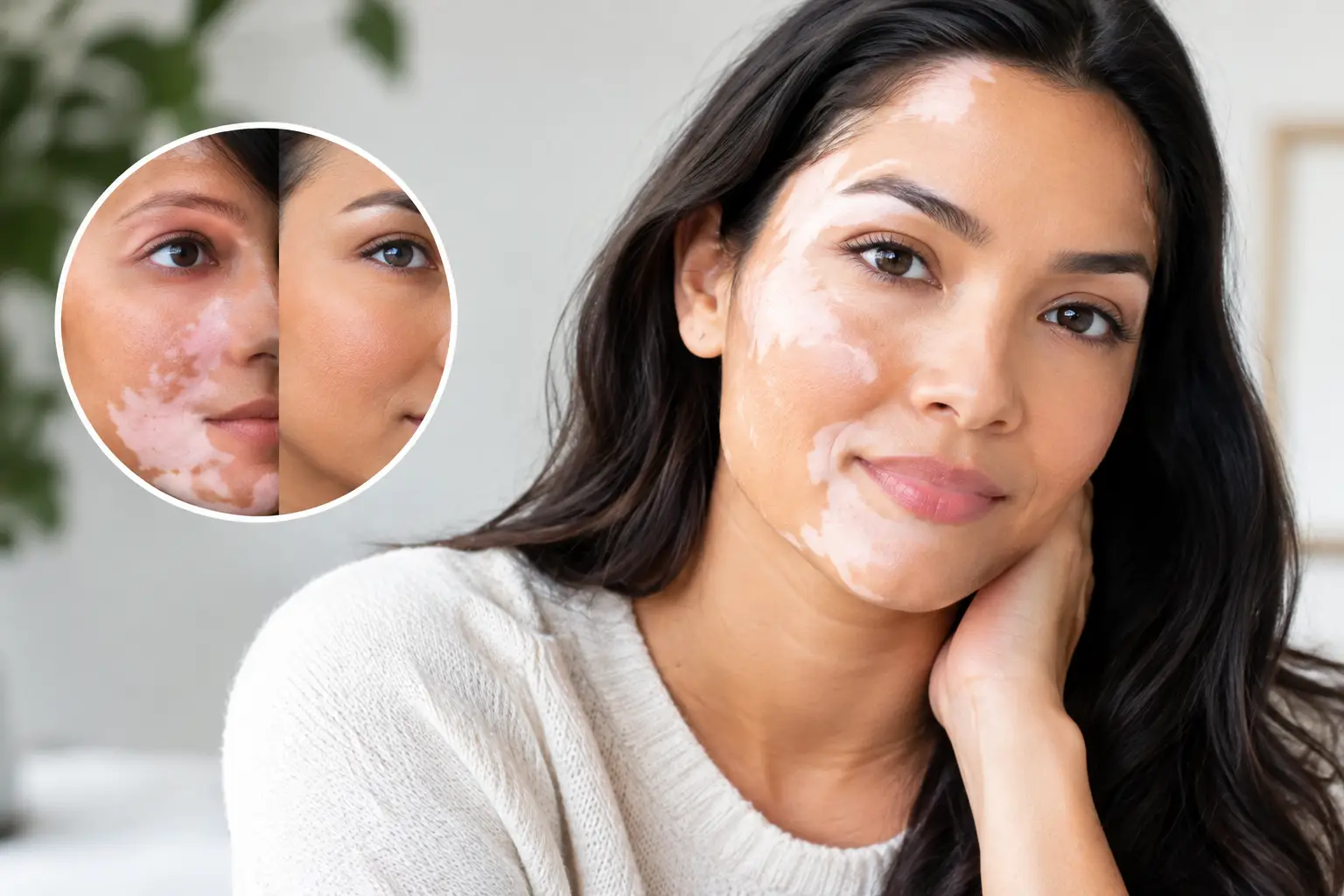
A vitiligo blending example is rarely as simple as placing one pigment into a white patch. The most natural results come from careful assessment: understanding whether the area is stable, reading the surrounding skin’s undertones, and building colour gradually rather than trying to create a dramatic change in one appointment. For many people, the goal is not to erase every sign of vitiligo. It is to reduce contrast so the area is less visually distracting and feels more in harmony with the rest of the skin.
Vitiligo can affect confidence in ways that are difficult to explain to someone who has not lived with it. A small patch on the hands, face or chest may draw unwanted attention despite being medically harmless. Pigment-based camouflage can be a considered option for suitable clients, particularly when it is approached as a personalised skin-correction process rather than a quick cosmetic fix.
A vitiligo blending example in practice
Imagine a client with a stable, sharply defined depigmented patch near the jawline. Their surrounding skin has a light-to-medium complexion, but it is not one flat shade. The cheek carries warmth and a little natural pinkness, while the jaw has a slightly more neutral, olive undertone. Matching the patch to the cheek alone could make the treated area appear too warm. Matching it to the jaw alone could leave it looking flat.
In a blending appointment, the practitioner would first assess the skin in natural and controlled light, then select and test small amounts of pigment designed to sit softly within the surrounding complexion. The initial session may involve a lighter, more conservative deposit of colour. This gives the skin time to heal and reveals how the chosen pigment settles once any temporary redness has resolved.
At a follow-up appointment, usually after the skin has fully recovered, the colour can be refined. Perhaps a trace more warmth is needed, or the edge needs a softer transition into the natural skin tone. The finished result should not look like a solid block of make-up. It should look quieter, with reduced contrast and a more even visual flow across the area.
This example also illustrates why photographs alone cannot determine whether a person is suitable. Camera lighting, skin hydration, sun exposure, medication, healing history and the activity of the vitiligo can all influence planning.
What vitiligo medical tattooing can and cannot do
Vitiligo medical tattooing, sometimes called micropigmentation or skin camouflage tattooing, places carefully selected pigment into the superficial layers of the skin. It is designed to visually blend an area of lost pigment with its surrounding skin. It does not restore melanocytes, stop vitiligo from progressing or treat the underlying autoimmune process.
That distinction matters. If vitiligo is actively changing, new patches may develop or an existing patch may expand beyond the camouflaged area. A previously well-matched treatment can then need reassessment. For this reason, stable vitiligo is generally the more predictable starting point for pigment camouflage.
A qualified practitioner may ask about the history of your patches, recent changes, previous treatments, sensitivity, allergies and any tendency towards unusual scarring. In some cases, dermatologist guidance is appropriate before proceeding, especially where the condition is new, spreading or difficult to assess. This consultation-led approach protects both the client and the quality of the eventual result.
Why blending is more technical than colour matching
Skin is not a paint chart. Its visible colour is shaped by melanin, blood flow, depth, texture, surrounding shade and changing light. A pigment that appears ideal during a consultation can heal warmer, cooler or softer than expected depending on the individual skin response.
Undertone is particularly important. A beige pigment may look suitable in the pigment cup but appear ashy against golden skin, while an overly warm selection can look peachy or orange once healed. Experienced blending uses small adjustments in hue, value and saturation to avoid these obvious mismatches.
Texture also affects the outcome. Smooth vitiligo patches may accept pigment differently from areas with dryness, scarring or repeated irritation. Areas exposed to frequent friction, such as fingers, knuckles and feet, can fade faster and may require more maintenance. Facial skin may heal beautifully but is continually exposed to UV light, skincare products and changing seasonal colour.
The best treatment plan acknowledges these trade-offs upfront. Natural-looking results are possible, but precision is more valuable than speed.
What happens during a personalised treatment plan
At Scarless Artistry, the process begins with a free consultation or virtual assessment to establish whether pigment camouflage is an appropriate option. This is a conversation, not a pressure appointment. It allows the practitioner to understand the location of the vitiligo, its stability, your baseline skin tone, prior skin reactions and what a successful outcome means to you.
When treatment is suitable, pigment is selected specifically for your skin rather than taken from a one-size-fits-all palette. A small test area may be recommended, particularly for sensitive skin or complex tones. The treatment itself is performed using sterile processes, gentle techniques and medical-grade pigments selected for paramedical skin work.
Most clients should expect more than one session. The first session establishes the foundation; later sessions allow for adjustment once the skin has healed. Spacing appointments appropriately is essential because judging a pigment too early can lead to overcorrection. Healing is part of the treatment, not an inconvenient pause between appointments.
Aftercare typically focuses on protecting the area while it settles. Clients may be asked to avoid picking, exfoliating, excessive heat, swimming and unprotected sun exposure for a defined period. Following aftercare instructions supports predictable healing and helps preserve the clarity of the colour.
Results change with real life
A successful vitiligo blending result should be judged in everyday conditions, not just immediately after treatment. Pigment often looks stronger at first, then softens as the skin heals. The area may look slightly different in bathroom lighting, daylight and evening light, just as untreated skin does.
Long-term maintenance is also normal. Sun exposure can deepen the surrounding skin while the treated patch remains comparatively stable, increasing contrast again. Seasonal changes, skincare routines and the natural turnover of skin can influence the appearance over time. A review session can refresh the colour or adjust the blend when needed.
This is why realistic expectations are confidence-restoring. Camouflage is not about chasing a flawless, static finish. It is about creating a result that respects living skin and gives you more comfort when you look in the mirror, attend a social event or simply wear the clothes you enjoy.
Questions worth asking before treatment
Before committing to pigment camouflage, ask whether your vitiligo appears stable, how many sessions may be appropriate for your area, and what maintenance could look like for your lifestyle. You should also ask how the practitioner approaches patch testing, colour selection, sterile treatment protocols and aftercare for sensitive skin.
It is reasonable to want a clear explanation of the limitations. Be cautious of anyone who promises a perfect match in one session or suggests tattooing will cure vitiligo. Thoughtful treatment planning leaves room for healing, review and refinement because that is how subtle, believable results are created.
The right vitiligo blending plan begins with being heard. When your skin history, tone, sensitivity and expectations are considered together, pigment camouflage can become a gentle, practical way to reduce contrast and help your skin feel more like your own.