
Does Medical Tattooing Fade Naturally Over Time?
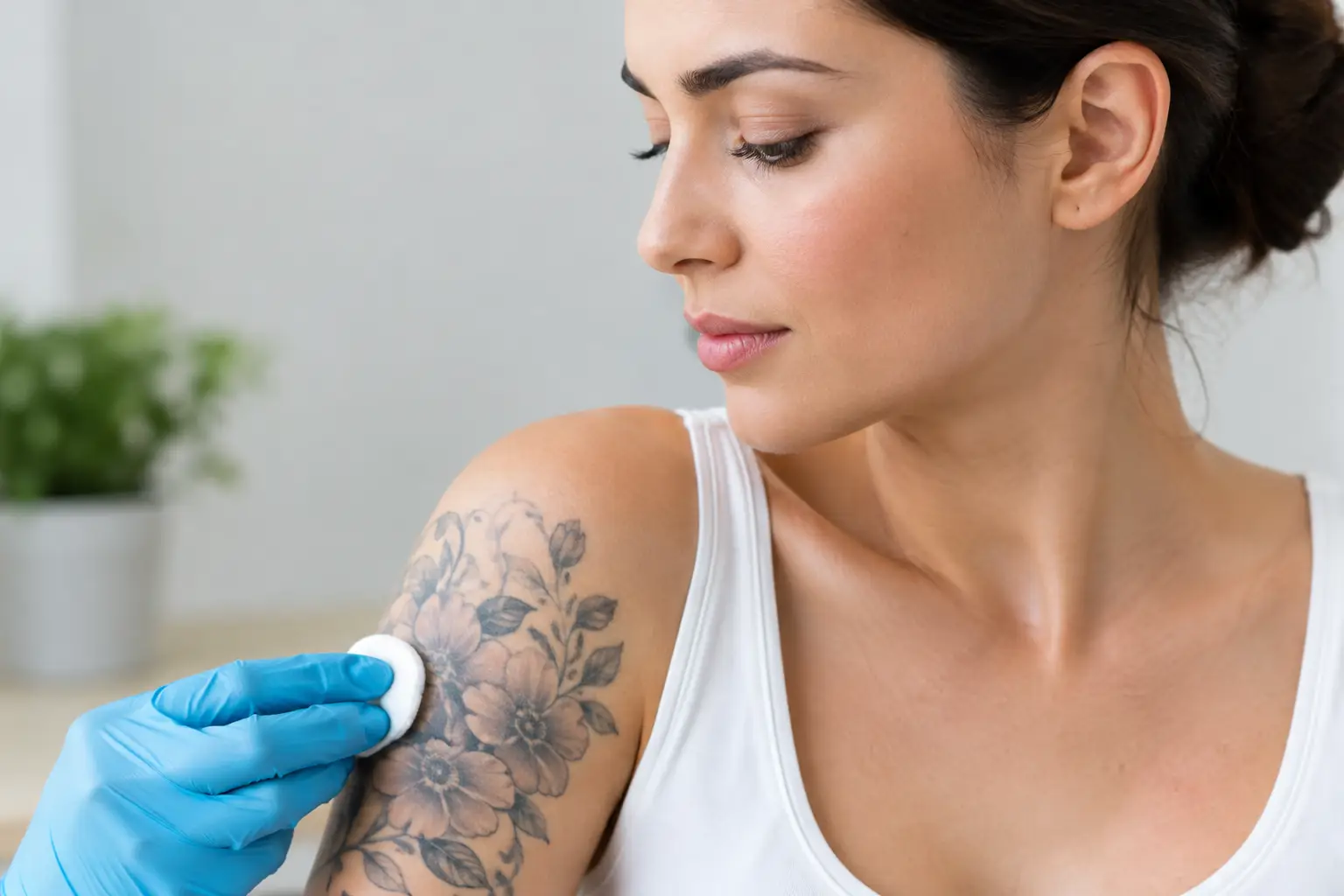
A carefully colour-matched scar or vitiligo treatment should never look like a flat block of ink. That is why many clients ask, does medical tattooing fade naturally? The short answer is yes. Paramedical pigments gradually soften over time, but the rate and appearance of fading vary from person to person, treatment area to treatment area.
For many people, gradual fading is part of the appeal. It allows the colour to evolve with your skin rather than remaining unchanged for decades. With thoughtful pigment selection, skilled placement and appropriate aftercare, fading can be managed with planned refresh sessions to keep the result subtle and natural-looking.
Does medical tattooing fade naturally after treatment?
Medical tattooing, including scar camouflage and vitiligo pigment correction, is designed to be long-lasting but not necessarily permanent in the way a traditional body tattoo may be. The pigments are placed into the dermis, where the body slowly processes tiny pigment particles over time. Skin renewal, immune activity, ultraviolet exposure and lifestyle all contribute to this gradual change.
Most clients notice that the colour initially appears stronger during the early healing phase. As the skin settles, it lightens and blends more naturally with the surrounding area. This is expected. A healed result is the true result to assess, not the colour seen immediately after a session.
Over months and years, the pigment may become softer, lighter or slightly less defined. This does not always happen evenly, and it does not mean the treatment has failed. In skin camouflage, a gentle reduction in colour can be preferable to pigment that remains too intense as the skin tone changes with age, sun exposure or seasonal variation.
Why pigment longevity differs from one person to another
There is no fixed timeline for medical tattoo fading. Some clients enjoy colour retention for several years before considering a touch-up, while others may benefit from a review sooner. A personalised treatment plan is more reliable than a blanket promise about longevity.
The treatment area matters
Areas exposed to frequent sunlight, friction or regular movement can fade faster. A scar on the chest, shoulder, forearm or lower leg may receive more UV exposure than one usually covered by clothing. Areas affected by shaving, tight garments or repetitive rubbing may also lose pigment more quickly.
Skin on the face can behave differently again because of skincare routines, exfoliation and higher natural oil production. For scalp micropigmentation-style work or treatments in hair-bearing areas, skin type, product use and sun protection can all influence how the pigment settles and ages.
Your skin, scar and healing history matter
Scar tissue is not the same as healthy, uninjured skin. It may be thicker, thinner, raised, indented, less vascular or more sensitive. It can also hold pigment differently from the skin around it. Older, stable scars are generally more predictable to treat than scars that are still red, changing, itchy or actively healing.
A history of keloid scarring, pigment changes after inflammation, autoimmune skin conditions or sensitivity may affect whether medical tattooing is suitable and how cautiously it should be approached. This is why a detailed consultation and, where appropriate, a patch test are valuable parts of safe advanced skin correction.
Sun exposure has a significant effect
UV exposure is one of the most common reasons pigments fade sooner or no longer appear as well matched. Sun can alter both the treated pigment and the surrounding natural skin colour. When untanned skin becomes tanned, even a beautifully matched camouflage area can appear lighter by comparison.
Consistent sun protection helps protect the appearance of the treatment and supports healthier skin overall. Once fully healed, covering the area where practical and using suitable broad-spectrum sunscreen can reduce unnecessary colour shifts.
Skincare, medications and body changes can play a role
Active ingredients such as retinoids, chemical exfoliants and some brightening products may increase skin cell turnover around treated areas, particularly on the face. Certain medical treatments, changes in immune function and hormonal shifts can also influence skin behaviour and pigment retention.
This does not mean these factors automatically prevent treatment. It means they should be discussed before your appointment so the timing, technique and aftercare can be adjusted appropriately.
Scar camouflage fading versus traditional tattoo fading
It is helpful not to compare medical tattooing directly with decorative tattoo work. Scar camouflage uses specialised pigments selected to work with the warmth, depth and undertones of your skin. The goal is not to create a permanent graphic design. It is to reduce visible contrast so the eye is less drawn to the scar, stretch mark or pigment difference.
Pigments are often layered gradually over more than one session. This gives the practitioner an opportunity to see how your particular skin heals and retains colour before adding further density. It is a gentler and more controlled approach than trying to achieve full coverage in one appointment.
The trade-off is that scar camouflage commonly requires patience. The skin needs time to settle between sessions, and a future colour refresh may be needed. In return, the result can remain adaptable and far more natural than an overly dense first application.
What happens during the healing phase?
The first few weeks are not a reliable indication of final colour. Immediately after treatment, there may be mild redness, sensitivity or a temporary deepening of pigment. As the surface heals, the colour can appear lighter or slightly muted before it stabilises.
Avoid picking, scratching or prematurely exfoliating the area. Follow the aftercare guidance provided for your skin and treatment site, including advice about water exposure, exercise, sun, skincare products and clothing friction. Good aftercare cannot guarantee retention, but it gives the treated skin the best conditions to heal predictably.
If the area has been treated for scar correction alongside supportive therapies, such as collagen-focused scar revision or medical-grade healing support, the sequence of treatments also matters. Improving texture and softening scar edges first can create a more even surface for later pigment work. For some clients, pigment is the final refining step rather than the first step.
When should you consider a touch-up?
A touch-up is not necessarily an urgent correction. It is usually a considered review once the skin has fully healed and the pigment has had time to settle. A practitioner may recommend a second session to build colour gradually, correct a small area of uneven retention or make a refined adjustment to the shade.
Later refresh appointments depend on your goals. If the colour still reduces contrast and you are comfortable with the result, there may be no need to act immediately. If fading makes the scar or vitiligo patch more noticeable again, a refresh can restore balance without starting from scratch.
For clients with vitiligo, timing is especially important. Medical tattooing is generally considered only when the condition is stable, as new or changing patches can affect the long-term visual result. A consultation should assess the history and stability of the area before treatment is planned.
Can faded medical tattooing be removed or changed?
Because medical tattooing softens over time, adjustments are often possible. However, changing an existing pigment is more complex than simply adding a new shade over the top. The original colour, depth, skin response and current scar texture all need to be assessed.
If removal is being considered, this should be approached carefully. Scarred or sensitive skin deserves a conservative plan that prioritises skin integrity, not speed. Some situations may suit gradual correction, while others may require pigment removal options or a period of skin preparation before further camouflage work.
Choosing a plan that ages naturally
The best question is not only whether medical tattooing will fade, but whether it will continue to look harmonious as your skin changes. A specialist should assess scar maturity, skin tone, sensitivity, pigment history and your expectations before recommending treatment.
At Scarless Artistry, treatment planning is centred on natural colour matching, conservative pigment layering and structured aftercare. The aim is to reduce the visual impact of a concern while respecting how individual skin heals.
A faded result does not have to be disappointing. When medical tattooing is planned thoughtfully, it can be a gentle signal that it is time for a review, a small refinement and another step towards feeling comfortable in your own skin.