
Your Guide to Skinial Tattoo Removal in Sydney
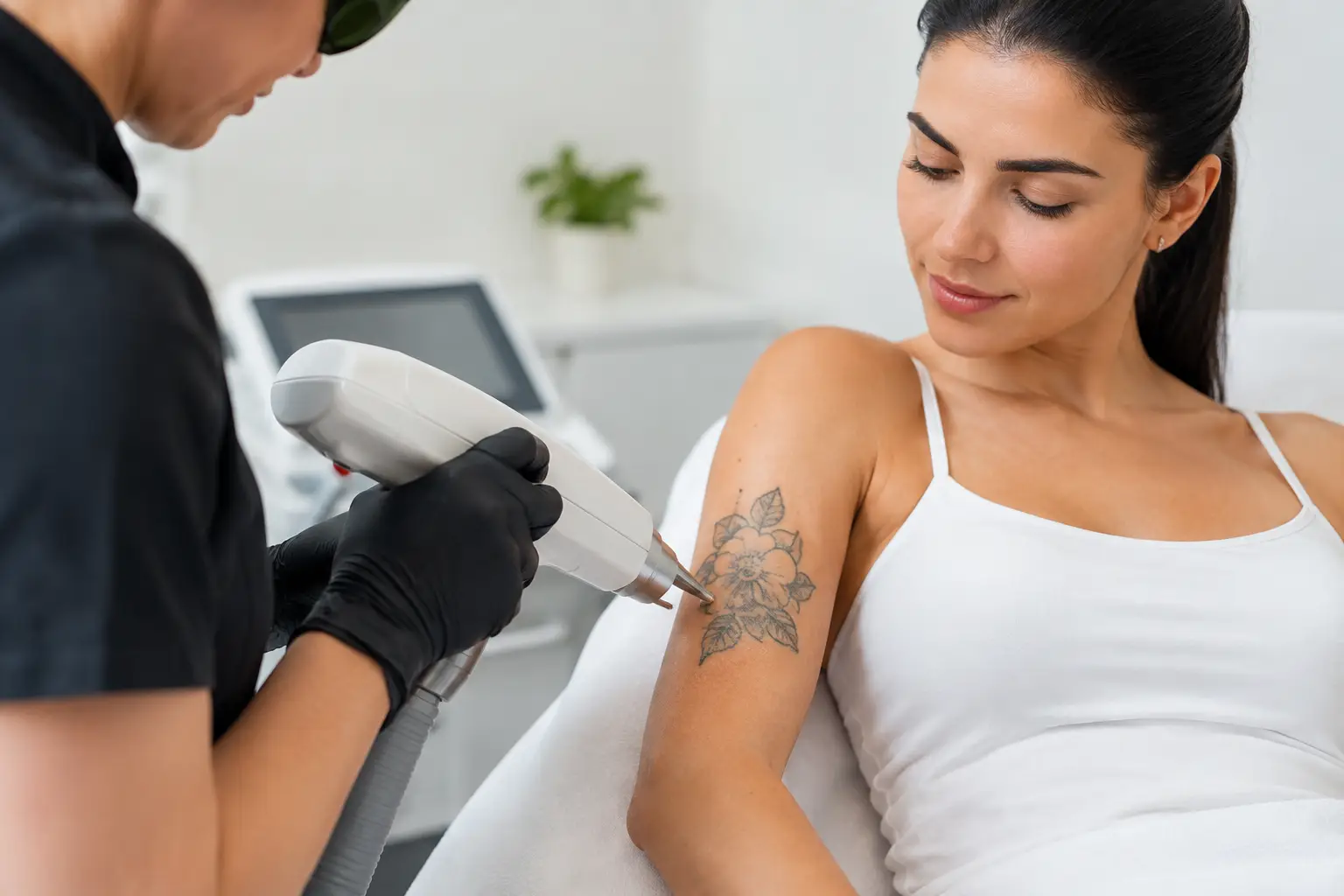
An unwanted tattoo can feel far more visible than it once did, especially when it sits on the hand, wrist, neck or another area you see every day. This guide to Skinial tattoo removal explains what the treatment involves, who may be suitable, and why your skin’s condition matters just as much as the ink itself.
Skinial tattoo removal is a non-laser approach that uses a specialised removal solution to support the extraction of tattoo pigment through the skin’s natural healing process. It can be considered for certain cosmetic tattoos and body tattoos, including small details, faded work and pigment colours that may not respond predictably to laser treatment. It is not a quick fix, and it should never be treated as one.
A considered plan protects both your long-term skin quality and the result you are working towards. For some people, full removal is the goal. For others, lightening enough pigment to allow a cover-up may be the more practical and skin-conscious option.
How Skinial tattoo removal works
During a Skinial treatment, the practitioner uses a tattooing-style technique to introduce the removal solution into the area containing pigment. The solution is designed to bind with pigment and encourage it towards the skin’s surface as the treated area heals.
A protective crust forms after treatment. This is a normal and important stage of healing. As it naturally releases, some pigment may lift with it. The area then needs time to settle before it is reassessed or treated again.
Unlike laser removal, which uses light energy to fragment ink particles beneath the skin, Skinial works locally at the treatment site. That distinction can make it an option worth discussing for particular pigment colours or for clients whose previous removal journey has been slow or frustrating. However, the best approach always depends on the tattoo, your skin type, your medical history and the quality of the surrounding skin.
What determines whether you are a suitable candidate?
The most useful answer is not simply, “Can this tattoo be removed?” It is, “What can be achieved while respecting the way this skin heals?” A thorough consultation should examine the tattoo and the person wearing it.
The age of the tattoo, ink density, depth of placement, colours used and location on the body all affect the plan. Dense black ink may behave differently from a delicate cosmetic brow tattoo. A small tattoo on the upper arm may heal differently from one on the ankle, fingers or chest, where circulation, friction and movement can complicate recovery.
Your personal healing history is equally relevant. If you have experienced raised scarring, delayed wound healing, post-inflammatory pigment changes, active skin conditions or sensitivities, these factors need careful consideration. Clients with darker skin tones can be more prone to temporary or persistent changes in pigmentation after any procedure that creates a controlled skin injury. This does not automatically rule treatment out, but it does call for conservative technique, realistic expectations and an individualised plan.
Pregnancy, breastfeeding, certain medications, active infections and compromised immunity may mean treatment needs to be delayed. A responsible practitioner will ask these questions before discussing sessions or outcomes.
Removal, fading or preparation for a cover-up
There is no single definition of success. Complete removal may be achievable in some cases, but it cannot be guaranteed. Ink composition is not always known, and pigment may sit at varying depths or spread beyond the original tattoo line.
Lightening a tattoo for a future cover-up can be a very worthwhile goal. It may give an artist more freedom to create a balanced design without relying on heavy, dark ink. In other circumstances, a client may choose to remove only a small section, such as an outdated symbol, a blurred edge or unwanted cosmetic tattoo pigment.
The right goal is the one that takes your skin, budget, timeframe and confidence into account. Clear planning at the start helps avoid over-treating an area in pursuit of perfection.
What to expect at your appointment
A professional Skinial tattoo removal appointment begins before the treatment itself. The tattoo is assessed under good lighting, photographs may be taken for progress tracking, and the practitioner discusses your health history, prior removal treatments and desired result.
You should also receive clear guidance about discomfort, downtime and possible risks. The sensation can vary by body area and individual sensitivity. Numbing options may be discussed where appropriate, but they do not make the procedure entirely sensation-free.
Treatment time depends on the size and complexity of the tattoo. Smaller areas are usually approached in stages rather than aggressively in one appointment. This gives the skin time to recover and allows each session to be assessed properly.
At Scarless Artistry, the focus is on a consultation-led approach. For skin that has already been through trauma, scarring or multiple procedures, the priority is not simply removing visible pigment. It is supporting the healthiest possible recovery and protecting the surrounding texture and tone.
Healing and aftercare are part of the treatment
The appointment is only one part of the process. Healing well is essential to the final appearance of the area. Immediately after treatment, the skin may look red, feel tender and develop a protective crust. This stage requires patience.
Avoid picking, scratching or prematurely removing the crust, even if it looks uneven or feels dry. Pulling it away can interrupt healing and increase the risk of scarring or pigment change. Keep the area clean and follow the specific aftercare instructions provided by your practitioner, including advice on washing, protective products and dressing if required.
During healing, avoid swimming pools, spas, saunas, excessive sweating, direct sun exposure and friction from tight clothing. Sun protection becomes especially important once the skin has closed, because healing skin is more vulnerable to uneven pigment changes.
Contact your practitioner promptly if you notice escalating pain, spreading redness, heat, significant swelling, discharge or any other signs that concern you. Early assessment is always preferable to trying to manage a possible complication at home.
Why spacing sessions matters
It can be tempting to book treatments close together when you are eager to move on from a tattoo. But skin remodelling does not run on a rushed schedule. The treated area needs time to complete its healing cycle before another session is considered.
Session spacing varies, but it is often measured in weeks rather than days. Your practitioner will review how the skin has healed, how much pigment has lifted and whether further treatment is appropriate. Progress photographs can be particularly helpful because changes are gradual and easy to overlook from day to day.
Skinial tattoo removal versus laser removal
Neither option is automatically better. Laser removal is widely used and can be highly effective for many tattoos, particularly certain dark inks. Skinial may be considered where a non-laser approach suits the pigment, placement or treatment objective.
The trade-off is that both methods involve healing time, multiple sessions may be needed, and neither can promise flawless skin or complete ink clearance. Any tattoo removal process carries a degree of risk, including temporary redness, changes in skin colour, texture changes and scarring. Your best protection is a practitioner who explains these possibilities plainly rather than making dramatic promises.
If you have a scar through or around the tattoo, previous laser sessions, or a history of difficult healing, that conversation becomes even more important. The condition of the skin should guide the method and pace of treatment.
Questions worth asking before you begin
Before committing, ask how your tattoo has been assessed, what outcome is realistic, how many sessions may be required and what your total healing commitment may look like. Ask what signs of normal healing to expect, what would require review, and whether your goal is complete removal or lightening for a cover-up.
It is also reasonable to ask about the practitioner’s experience with your tattoo type and skin concern. A careful answer should be specific to you, not a generic promise based on someone else’s result.
An unwanted tattoo does not have to dictate how you feel in your skin. Begin with an honest assessment, allow enough time for recovery, and choose a treatment plan that values healthy, even-looking skin as highly as pigment removal.