How Skin Tone Matching Medical Tattooing Works
A scar may be completely healed yet still draw the eye every time you look in the mirror. Often, it is not only the texture that stands out. It is the difference in colour between the scar and the surrounding skin. Skin tone matching medical tattooing is a specialised approach to reducing that visible contrast with carefully selected pigment, applied with the skin’s unique undertones, healing behaviour and long-term appearance in mind.
This is not about covering skin with a flat block of colour. Natural skin is never one shade. It carries warmth, coolness, depth, translucency and subtle variation from one area to another. Effective skin camouflage respects those details, while also recognising that a scar or vitiligo patch has its own characteristics and limitations.
What skin tone matching medical tattooing can treat
Medical tattooing, sometimes called skin camouflage tattooing or paramedical tattooing, uses pigment to improve colour uniformity in areas where pigment has been lost, altered or disrupted. It may be considered for mature surgical scars, injury scars, burn scars, stretch marks and stable vitiligo patches.
The aim is usually to make the treated area less noticeable at a normal conversational distance, rather than to make it disappear completely. For many clients, that reduction in contrast can make a meaningful difference to how comfortable they feel in clothing, at the beach, in photographs or in professional settings.
Suitability depends on the condition of the skin. A red, raised, itchy or actively changing scar needs assessment before pigment is considered. Fresh scars are still remodelling, and tattooing too early can affect healing or produce an unpredictable result. In some cases, preparing the skin with scar revision, collagen-supporting treatments or medical-grade healing support may be the more appropriate first step.
Vitiligo also requires an individual approach. Medical tattooing is generally considered only when the condition has been stable. If pigment loss is still spreading or changing, a matched result may be difficult to maintain.
Why matching skin tone is more complex than choosing a beige pigment
A pigment that appears perfect in a bottle can heal too warm, too cool, too light or too opaque if it is not selected and implanted thoughtfully. The visible surface colour is only one part of the assessment. Underlying skin tone, natural melanin levels, sun exposure, scar tissue density and circulation all influence the final healed appearance.
Skin also changes between the face, chest, abdomen, arms and legs. A shade that blends on the forearm may look out of place on the upper thigh. Even within one scar, one edge may be pinker, paler or more textured than the other. This is why a personalised blend is often layered and adjusted over more than one session rather than completed in a single appointment.
Undertone matters just as much as depth. Some skin carries golden or olive notes, while other complexions have rosy, neutral or cooler undertones. A specialist assesses these qualities in natural light and builds pigment mixtures that are intended to heal into the surrounding skin, not simply match it on the day of treatment.
The consultation: where natural results begin
A thorough consultation should feel calm, honest and specific to you. It is the time to discuss how the scar occurred, how long it has been healed, whether you have a history of keloid scarring, sensitivity, allergies, previous tattooing or changes in pigmentation. Your practitioner will also look closely at the scar’s depth, flexibility, colour and texture.
Photos can be useful for virtual assessments, but an in-person skin review is often valuable for final pigment planning. Lighting, camera settings and fake tan can all change how skin tone appears. The treatment plan should account for your normal level of sun exposure and whether the area is usually covered or exposed.
At Scarless Artistry, treatment planning is consultation-led because no two scars respond in exactly the same way. Some clients may benefit from pigment camouflage first. Others may be advised to improve skin texture before colour work, particularly where a scar is deeply indented, raised or uneven. Colour can soften contrast, but it cannot fully flatten a raised scar or fill a pitted area on its own.
What happens during skin tone matching medical tattooing
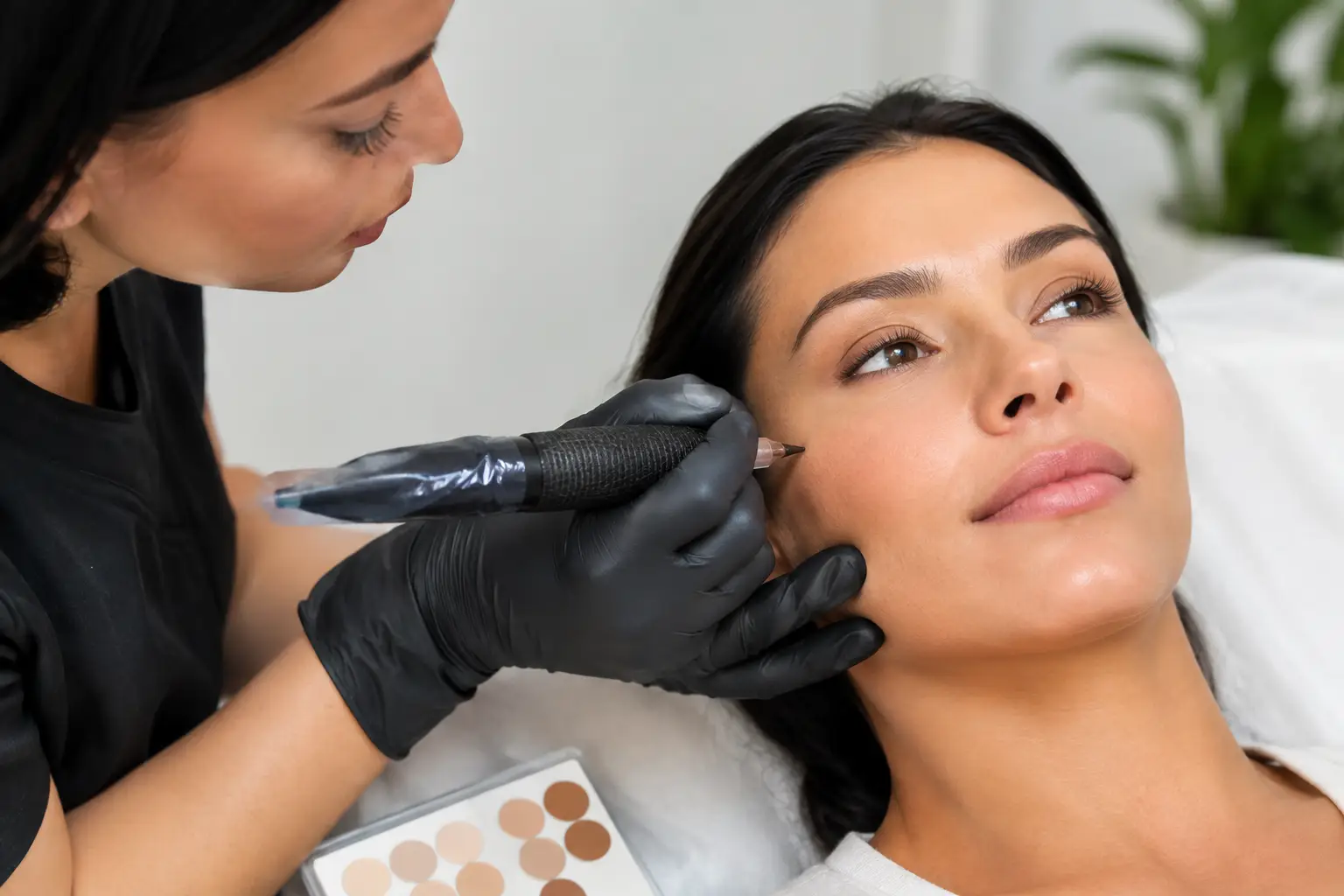
The treatment area is cleansed and prepared using sterile processes. Custom pigment is selected and may be tested in a small area where appropriate. A specialised tattoo device deposits pigment gradually into the skin with a gentle, controlled technique.
Scar tissue can be less predictable than unaffected skin. It may be firmer, thinner or less able to retain pigment evenly. For that reason, practitioners work conservatively. Building colour slowly helps avoid an overly dense or artificial-looking result and gives the skin time to show how it will heal.
Most clients describe the sensation as manageable, although sensitivity varies according to the body area, scar type and individual pain threshold. Sessions are paced carefully, and the focus remains on both comfort and precision.
Immediately after treatment, the pigment can look deeper, warmer or more obvious than the intended healed shade. This is normal. As the skin settles and renews, the colour softens. It is important not to judge the final result in the first few days.
Healing, touch-ups and realistic expectations
Healing is part of the treatment, not an afterthought. The treated area needs to be kept clean and protected according to your aftercare instructions. Picking, friction, swimming, excessive sweating, sun exposure and active skincare products can interfere with pigment retention while the skin is recovering.
A review appointment is commonly scheduled once the area has healed fully. This allows the practitioner to assess how the pigment has settled and whether further layering or tonal adjustment is needed. Multi-session work is common, particularly for large scars, darker skin tones, complex undertones and areas of dense scar tissue.
Medical tattooing is long-lasting, but it is not always permanent in the way people expect from decorative body art. The colour may soften over time through natural skin renewal, UV exposure and changes in your skin tone. A sun tan can create fresh contrast between the treated area and surrounding skin, while hormonal changes, medications and ageing may also affect pigmentation.
The trade-off is worth understanding clearly: a lighter, more natural build of pigment may require refinement, but it often looks more believable as the skin changes. Trying to correct a result that is too dark or too opaque is much more difficult.
When pigment camouflage may not be the right first treatment
Not every visible mark should be tattooed. Scars that are still healing, inflamed or prone to keloid formation require additional caution. Active acne, dermatitis, infection, recent surgery, unstable vitiligo and certain medical conditions may mean treatment needs to be postponed or cleared by your treating doctor.
Texture is another consideration. Pigment can reduce the colour difference of a pitted acne scar or surgical line, but shadows created by depth may remain visible. In these situations, a combined plan may offer a more balanced outcome. Skin revision methods designed to support collagen and soften uneven texture can be considered before or alongside colour correction, depending on your skin’s needs.
The most responsible advice is sometimes to wait. A practitioner who recommends more healing time, a patch test or a texture-focused treatment first is protecting your long-term result.
Choosing a practitioner for pigment camouflage
Skin tone matching requires more than tattoo experience. Look for a practitioner who works specifically with scars, pigment irregularities and skin correction, and who is prepared to explain the limits as well as the potential benefits. Sterile technique, quality pigments, conservative application and structured aftercare are essential.
Ask how your skin will be assessed, whether a test area is appropriate, how many sessions may be needed and what changes you can reasonably expect during healing. Before-and-after images can be helpful, but they should show healed work where possible, with realistic lighting and no exaggerated promise of perfection.
A well-matched result should not announce itself. It should simply allow your eye to rest more easily on the surrounding skin. If a scar, stretch mark or stable pigment difference has been affecting your confidence, a personalised consultation can provide clarity on whether this careful form of colour correction is the right next step.